
Ductless Mini Splits for Denver Basements, Additions & Bonus Rooms
When a mini split beats extending ductwork — sizing, single-zone vs multi-zone, heat pump options, and typical Denver install pricing for finished basements and additions.
If you just finished a basement, added a bonus room over the garage, or converted a Denver bungalow attic, you have probably found out that your central system does not reach it. Extending ductwork is expensive, invasive, and often not even possible. A ductless mini split usually wins.
What a mini split actually is
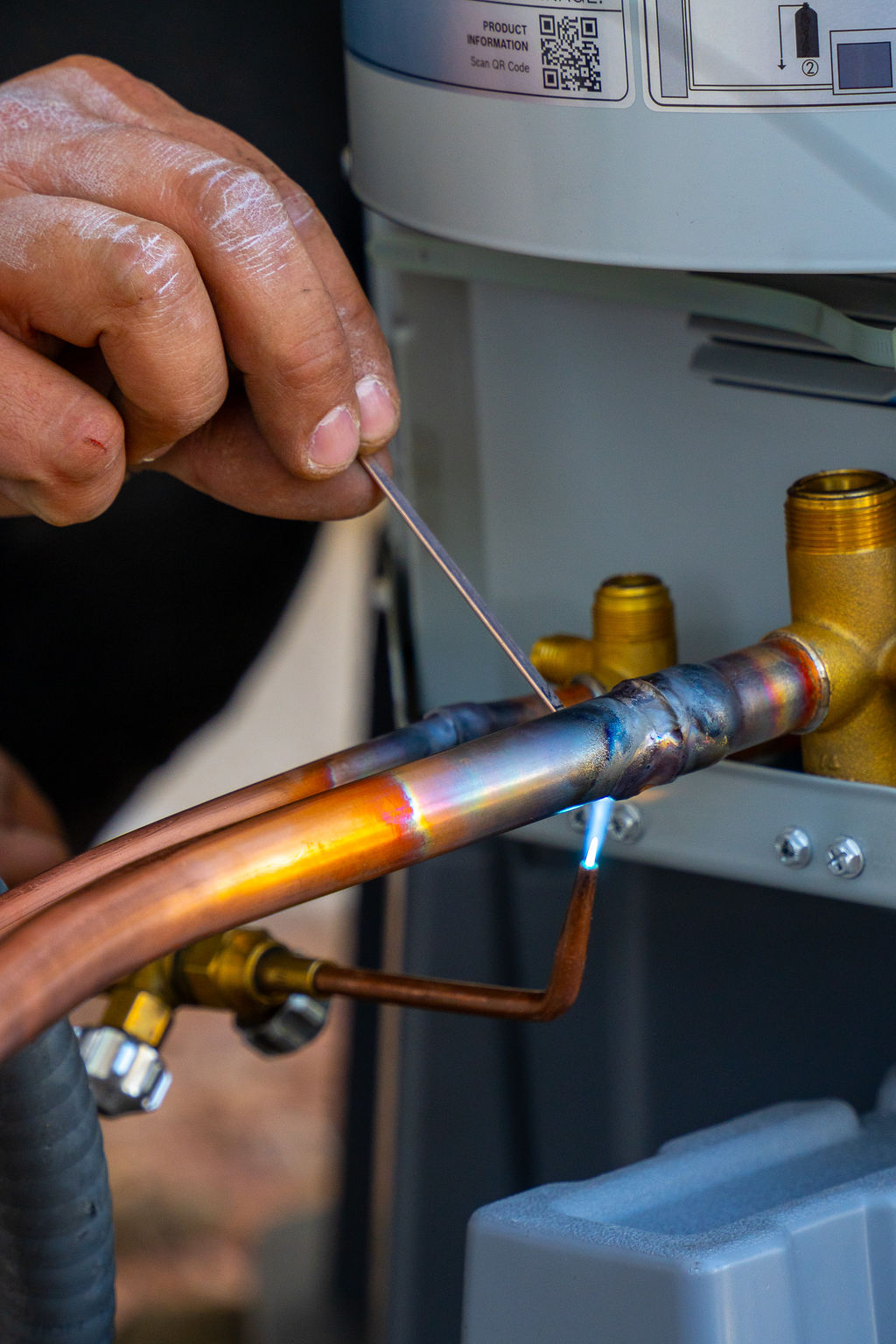
One small outdoor condenser (about the size of a suitcase) connected by a copper lineset and low-voltage wire to one or more indoor heads mounted high on a wall, in a ceiling cassette, or in a slim horizontal duct. No sheet-metal runs, no soffit-eating chases, no torn-up drywall. Modern units are heat pumps — they cool in summer and heat in winter, both efficiently.
Where mini splits beat extending ductwork
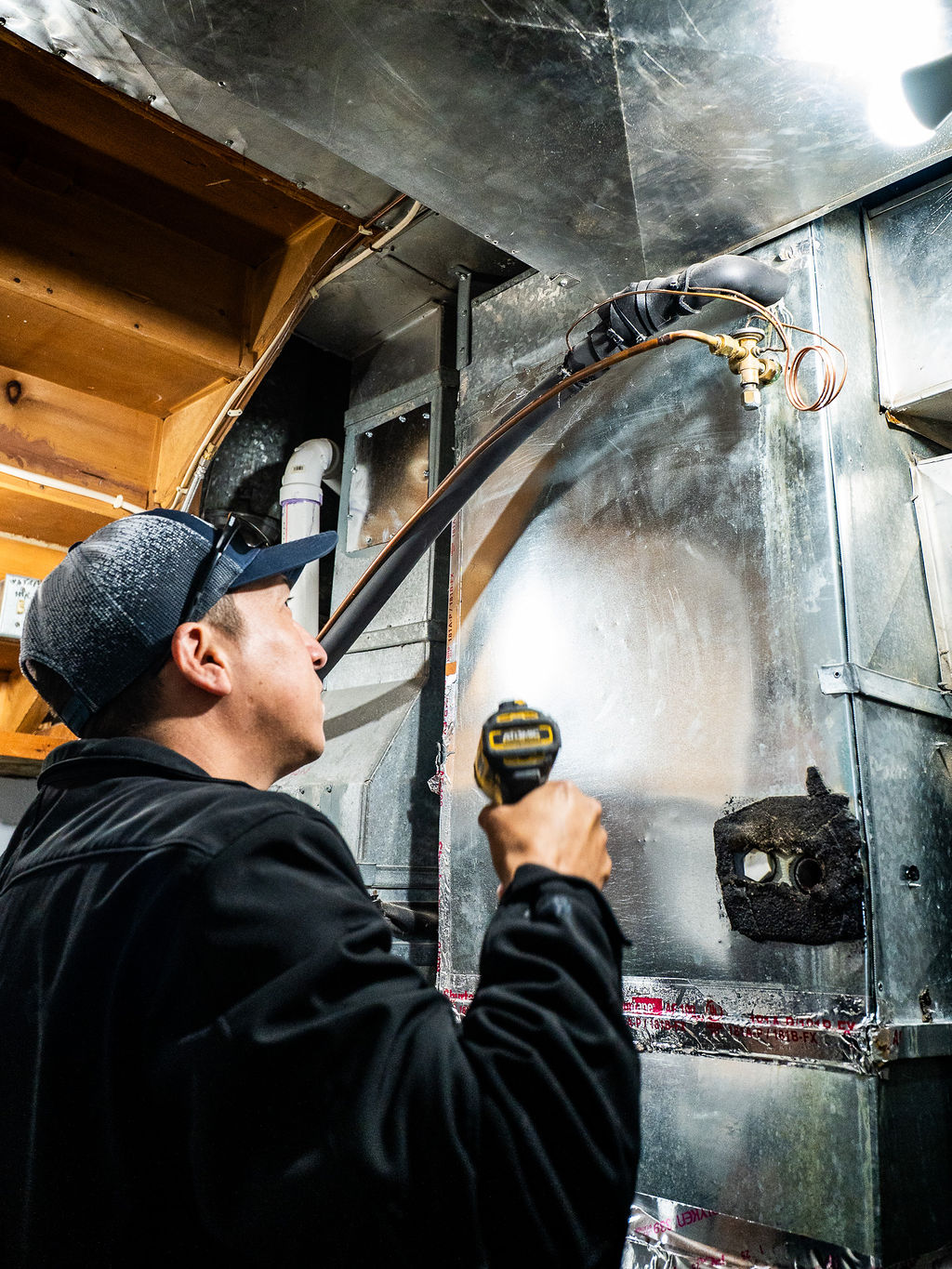
Finished basements. Rooms over garages. Attic conversions. Sunrooms. Detached ADUs and casitas. Additions where the existing furnace is already sized for the original footprint. Any space where your central system is either too far, too small, or the ductwork route is not there.
Single-zone vs. multi-zone
Single-zone: one outdoor unit, one indoor head. Simplest install, lowest cost, best efficiency. Multi-zone: one outdoor unit paired with two to five indoor heads on independent thermostats. Ideal when you are conditioning several rooms at once (basement family room plus bedroom, for example).
What it costs in Denver
A single-zone install in Aurora or Denver typically runs $3,800 to $6,500 depending on capacity and where the equipment lands. Multi-zone systems start around $7,500 and scale up with the number of heads. Federal 25C credits (30%, up to $2,000 on heat pump equipment) currently apply to most mini split installs.
Sizing — small mistakes cause big problems
Ductless is famous for people buying too much capacity. An oversized mini split short-cycles, runs cold and clammy, and never dehumidifies. We size on square footage, insulation, sun exposure, and window count — same Manual J logic as central.
Are mini splits worth it in Colorado?
+
For basements, additions, and problem rooms — yes, almost always. They are also efficient enough to heat down to sub-zero when specified correctly.
How long do mini splits last?
+
15 to 20 years with annual filter cleaning and periodic professional maintenance.
Can I install a mini split myself?
+
There are DIY kits, but Colorado still requires an EPA-certified tech to handle the refrigerant work, and warranty coverage almost always requires professional install.
How loud is a mini split indoors?
+
Wall-mounted units run around 22-32 dB on low — quieter than a refrigerator.
AC, furnace, heat pump, or ductwork trouble in the Denver metro?
Same-day service across Aurora, Denver, Centennial, Parker & Littleton · Free install estimates · Licensed & insured.