
Do Heat Pumps Work in Colorado Winters? A Denver HVAC Answer
Cold-climate heat pumps handle Denver winters down to sub-zero — here is what actually matters (HSPF, sizing, backup heat) and where dual-fuel setups still win.
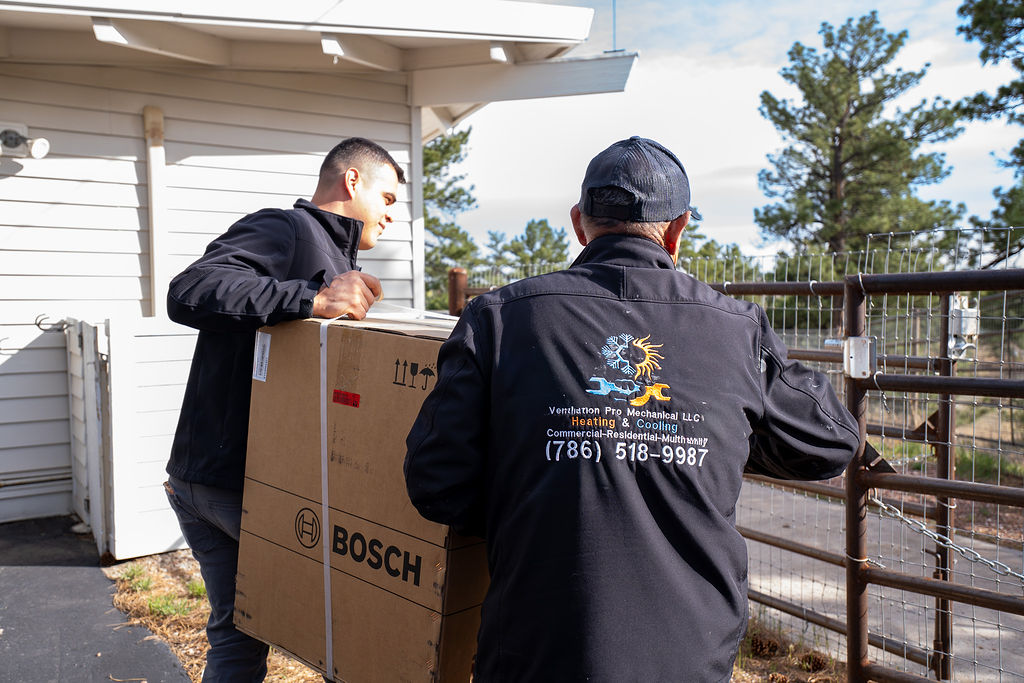
The short answer: yes. Modern cold-climate heat pumps run efficiently in Denver down into the single digits, and some models keep working at negative-15°F. The long answer — the one that saves you money — has to do with sizing, HSPF rating, and whether you pair the heat pump with a gas furnace or electric backup.
What changed with cold-climate heat pumps
Ten years ago, heat pumps in Colorado were a gamble. Today, variable-speed inverter compressors and R-454B refrigerants pull enough heat out of Denver's dry, cold air to hold indoor setpoints without emergency heat, even on the coldest nights of the year. The performance metric to look for is HSPF2 (Heating Seasonal Performance Factor). For the Front Range, 9+ is the target.
Dual-fuel vs. all-electric heat pump
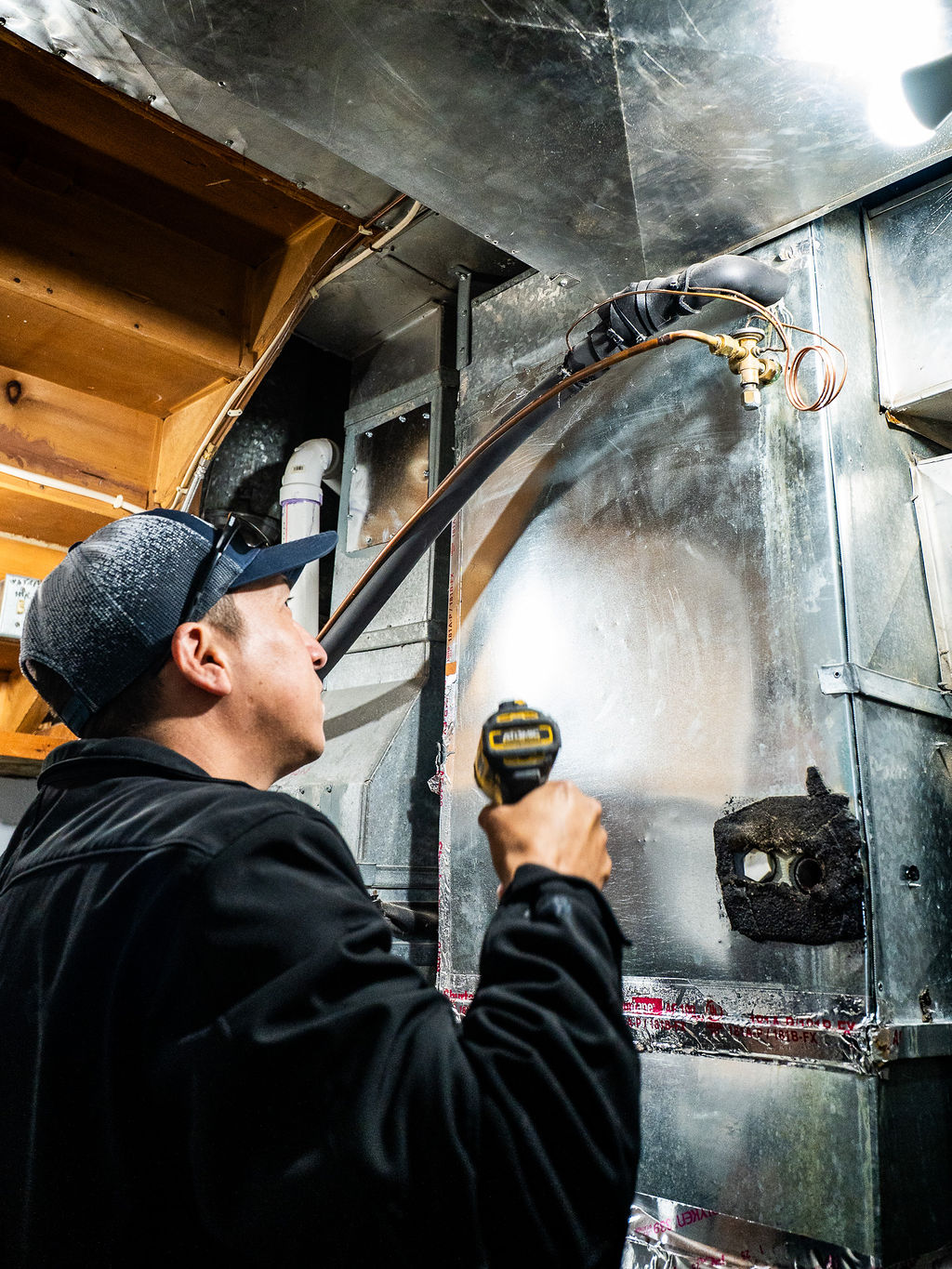
A dual-fuel system pairs a heat pump (cooling and mild-winter heat) with your existing gas furnace (backup for the coldest days). It is the setup we recommend for most Denver homes that already have gas service — the heat pump handles 80 to 90 percent of the year, the furnace kicks in when it is truly bitter, and you get the lowest combined operating cost. All-electric heat pumps (with strip-heat backup) make sense when there is no gas line, when you want to fully electrify, or when local incentives make the math work.
Sizing matters more than brand
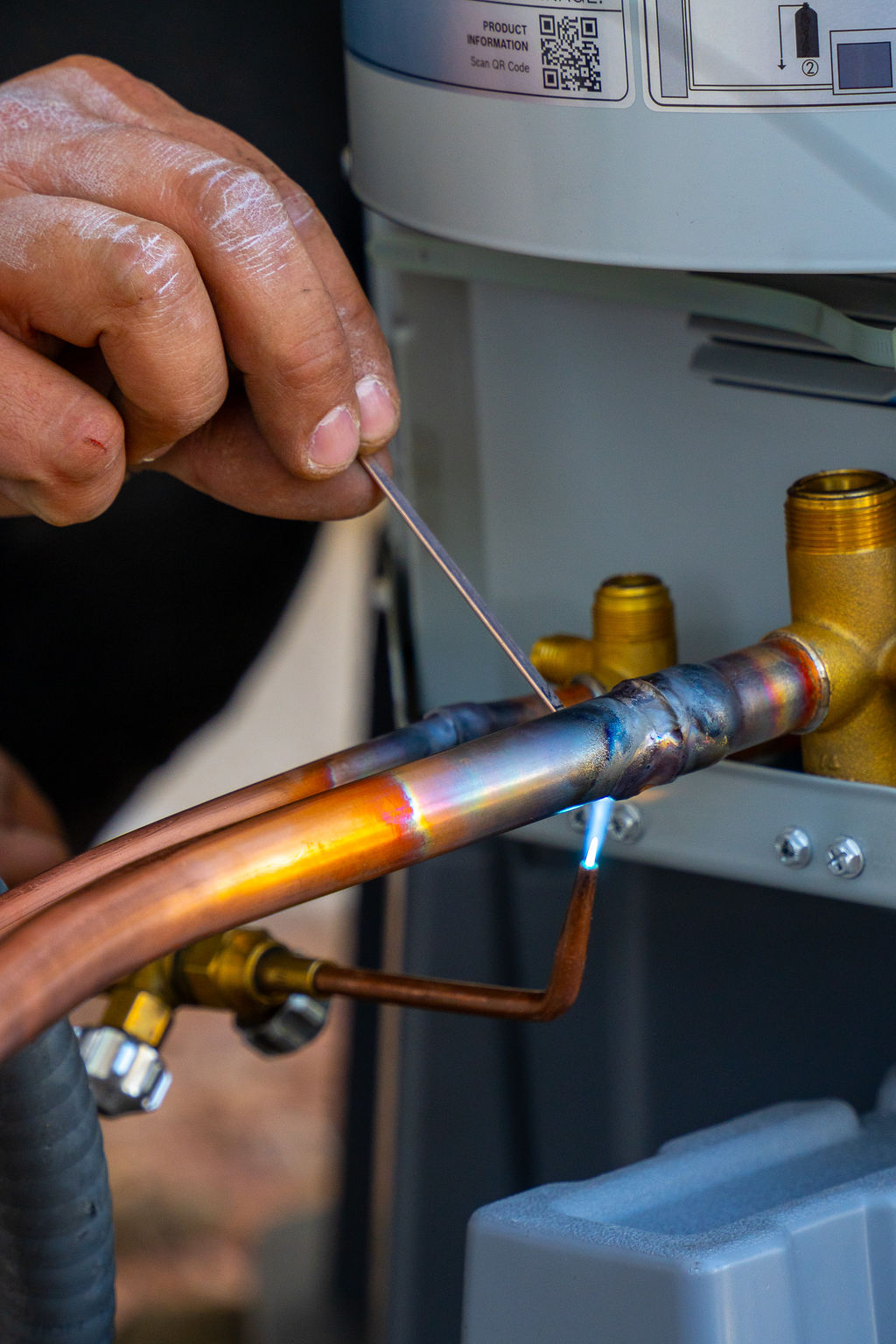
An oversized heat pump short-cycles, wears out early, and never dehumidifies well. An undersized one leans on backup heat all winter and runs your bill up. A Manual J load calculation — not a rule of thumb — is the right way to size a Denver heat pump. We do this on every install.
What it costs in the Denver metro
A quality cold-climate heat pump install in Aurora or Denver typically runs $9,000 to $18,000 depending on size, tier, and whether new line sets, electrical, or thermostat work are needed. Federal tax credits (up to $2,000 through 2032) and Xcel Energy rebates can knock several thousand off the sticker. We flag every current incentive on our estimates.
When a heat pump is not the right call
If your home has heavy air leakage, undersized ductwork, or a very short expected ownership window (under 5 years), a straight gas furnace and AC replacement usually pencils out better. We will tell you honestly which path fits your house — that is why our estimates are free.
Do heat pumps work below zero in Denver?
+
Cold-climate models rated for Colorado maintain 100% capacity down into the single digits and continue producing heat below zero. Below the balance point, backup (gas furnace or electric strips) picks up the difference.
Are heat pumps cheaper to run than a gas furnace in Colorado?
+
In shoulder seasons, almost always. In deep winter, it depends on your electric and gas rates. Dual-fuel setups automatically pick the cheaper source each day.
Will a heat pump also cool my house?
+
Yes — a heat pump is a central AC that runs in reverse. One system, both jobs.
How long does a heat pump last in Colorado?
+
15 to 20 years with annual maintenance. Skip service and expect closer to 10.
AC, furnace, heat pump, or ductwork trouble in the Denver metro?
Same-day service across Aurora, Denver, Centennial, Parker & Littleton · Free install estimates · Licensed & insured.