
Best Smart Thermostats for Denver Homes (and What to Install)
Nest, ecobee, Honeywell T-series — a Denver HVAC contractor's take on which smart thermostat fits which home, C-wire requirements, and setup for dual-fuel systems.
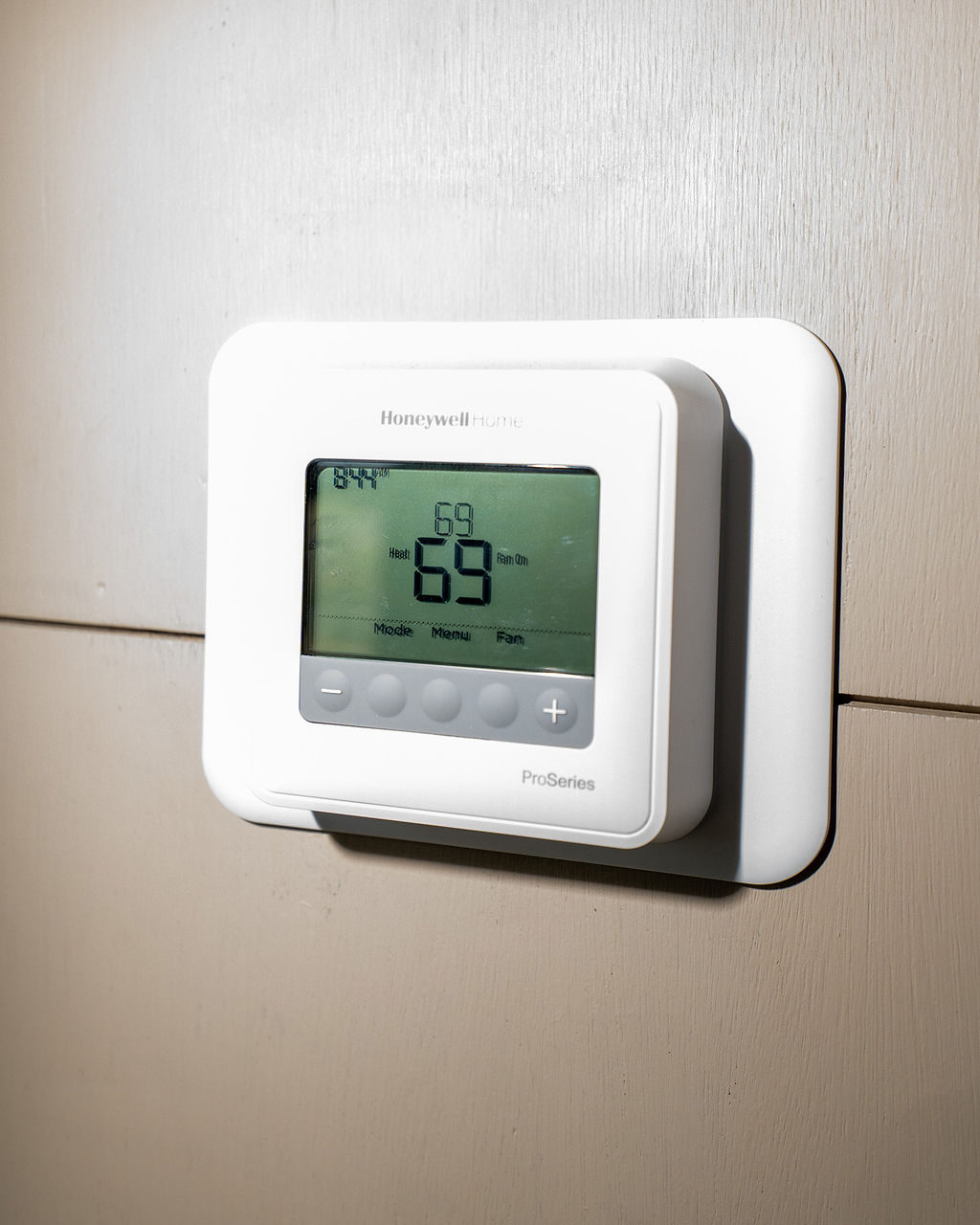
The wrong smart thermostat on a Denver dual-fuel system will burn gas when the heat pump should run, run the heat pump when it should not, and cost you money every month. Picking the right one — and wiring it correctly — matters more than any Wi-Fi feature.
The three that actually work well here
Ecobee (Premium, Enhanced, Lite): the best overall for Denver homes. Handles dual-fuel and multi-stage heat pumps cleanly, room sensors for even temperatures, native Xcel time-of-use support. Nest Learning Thermostat: cleanest interface, best for single-stage furnace + AC or basic heat pump; the schedule-learning is genuinely useful. Honeywell T9/T10 Pro: contractor favorite for its wiring flexibility and reliable HVAC-first design, less flashy interface.
The C-wire question
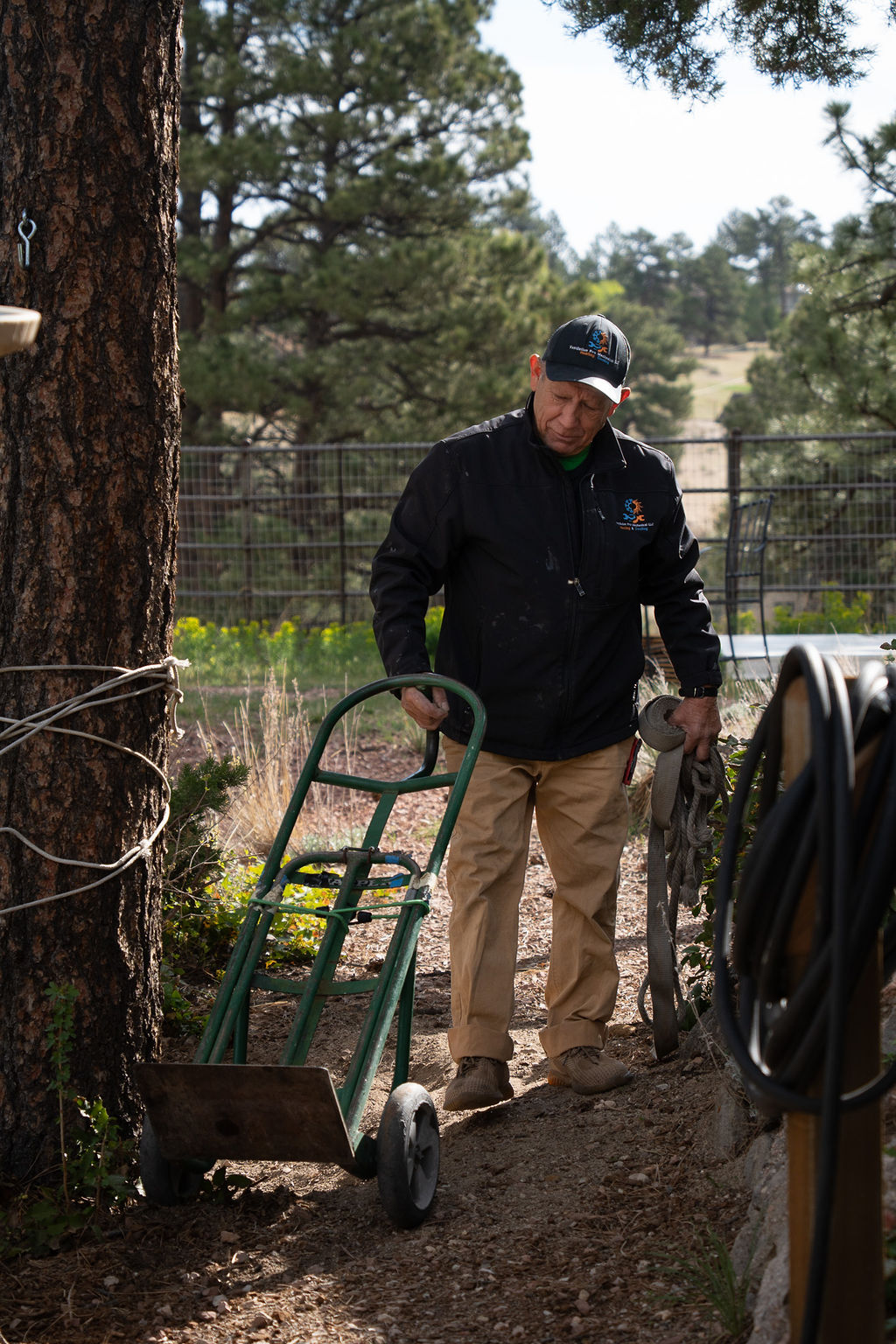
Every smart thermostat needs constant 24V power. That comes from a common wire ('C-wire') running from your furnace or air handler to the thermostat. Older homes in Aurora, Denver, and the historic neighborhoods often do not have one. Solutions: install a C-wire adapter at the furnace board, run a new wire (best long-term fix), or use a Nest Power Connector. We handle all three.
Dual-fuel — the setting almost no DIY install gets right
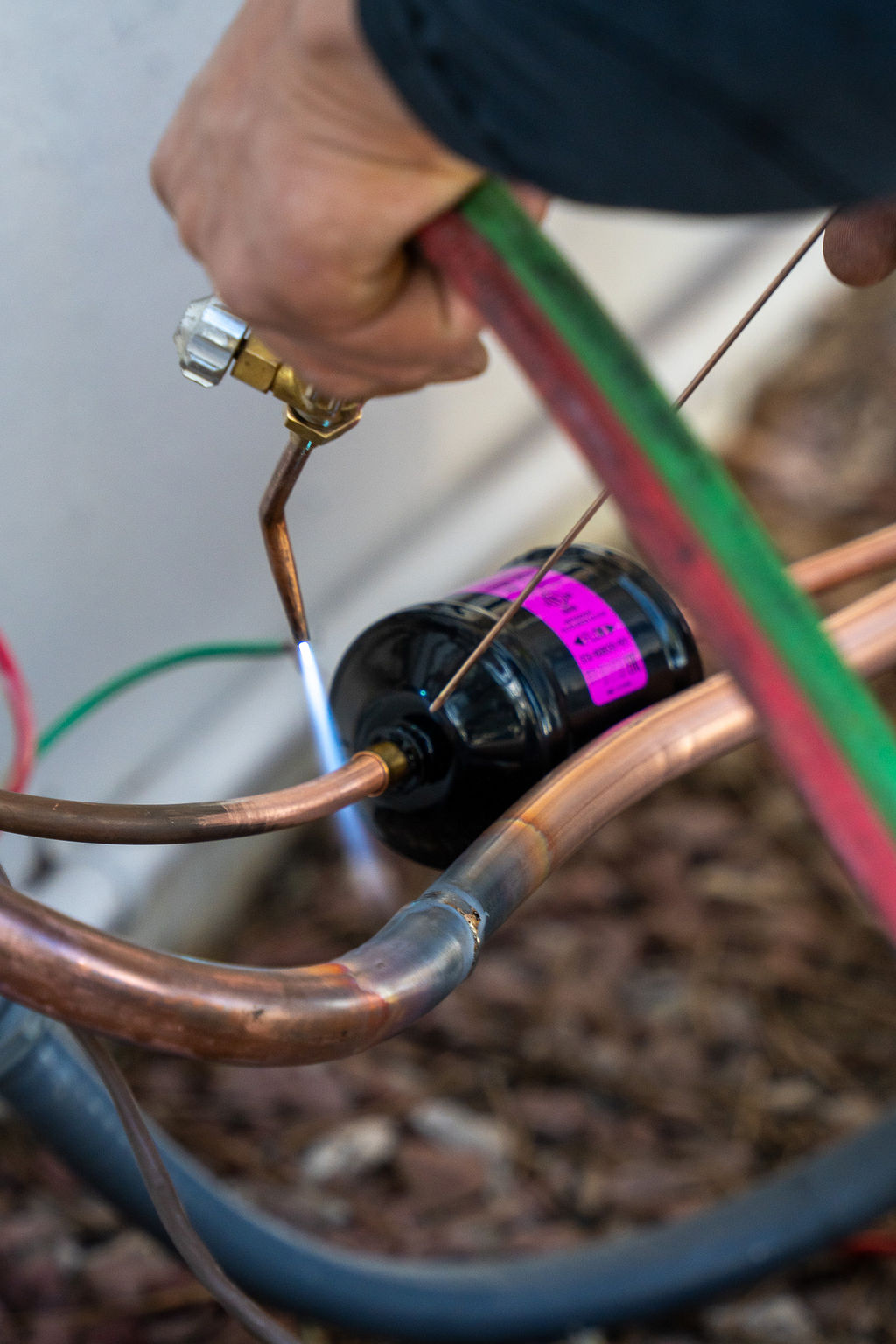
If you have a heat pump plus a gas furnace, the thermostat has to know your equipment's balance point (the outdoor temperature below which the furnace should take over from the heat pump). Configured wrong, it either runs the heat pump into the ground on cold nights or burns gas on 40°F mornings. Configured right, it saves 20-30% on winter operating cost.
What a professional install includes
Deenergize the system safely. Remove the old stat. Verify wiring, add or adapt a C-wire, mount the new stat level, install a trim plate if needed. Configure equipment type (single stage, two stage, variable, heat pump, dual fuel), set balance points, configure fan and cycle rate for your system, pair to Wi-Fi and your account, walk you through the app. Most residential thermostat installs in the Denver metro take under an hour.
What it costs
Thermostat hardware: $130-$300 depending on model. Installation: modest flat rate for a straight swap; more when a C-wire has to be pulled or an adapter installed. If we are already onsite for maintenance, we can typically swap the thermostat at the same visit for less.
Do I need a C-wire in Denver?
+
Yes, virtually every modern smart thermostat needs one. If your existing wiring does not include one, we install an adapter or pull a new wire.
Can I install a Nest myself?
+
On a compatible single-stage system with an existing C-wire, yes. Dual-fuel and multi-stage systems are worth having a pro configure — the payback on correct setup is significant.
Will a smart thermostat lower my Xcel bill?
+
Typically 8-15% on heating and cooling combined, more when it is set up properly for time-of-use rates.
Which is better — Nest or ecobee?
+
For most Denver homes with dual-fuel or multi-stage equipment, ecobee. For simpler systems, either works well.
AC, furnace, heat pump, or ductwork trouble in the Denver metro?
Same-day service across Aurora, Denver, Centennial, Parker & Littleton · Free install estimates · Licensed & insured.